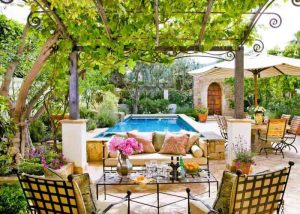
Transforming small outdoor spaces into havens of relaxation and functionality requires thoughtful planning and creative design. This guide explores the art of maximizing limited areas, offering practical solutions and inspiring ideas for balconies, patios, and small yards. From clever space-saving techniques and furniture selection to the strategic use of plants and lighting, we’ll cover everything needed to create an outdoor oasis that reflects your personal style and enhances your living experience.
We’ll delve into the unique challenges presented by compact outdoor spaces, such as limited square footage and potential lack of privacy. However, we’ll also highlight the opportunities these spaces present – the chance to create intimate and personalized retreats that are both aesthetically pleasing and highly functional. Whether you’re working with a tiny balcony or a modestly sized patio, this comprehensive guide will equip you with the knowledge and inspiration to unlock the full potential of your outdoor space.
Defining Small Outdoor Spaces
Small outdoor spaces, often characterized by their limited square footage, present unique design challenges and opportunities. These spaces, while compact, can be transformed into functional and aesthetically pleasing extensions of the home, offering valuable personal retreats or entertaining areas. Understanding their characteristics is crucial for effective design.Small outdoor spaces are generally defined by their relatively small dimensions, typically ranging from a few square feet to a maximum of approximately 200 square feet.
This constraint significantly impacts design choices, requiring creative solutions to maximize space and functionality. Limitations often include restricted access, limited sunlight, and proximity to buildings or other structures.
Types of Small Outdoor Spaces
Several different types of small outdoor spaces exist, each with its own set of design considerations. These spaces offer diverse opportunities for personalization and enhancement, depending on their size and location.
- Balconies: These are typically narrow, elevated platforms extending from a building, often with a railing or balustrade. Their small size and exposure to the elements necessitate careful planning regarding furniture selection, planting, and weather protection.
- Patios: Patios are paved or decked outdoor areas, often adjacent to a house. They can vary significantly in size but are generally considered small when less than 200 square feet. Design considerations often center around creating a cohesive transition between indoor and outdoor living spaces.
- Small Yards: These are compact outdoor areas attached to a house, typically encompassing a lawn, garden beds, or a combination of both. Optimizing space for both functional use and aesthetic appeal requires thoughtful landscaping and hardscape choices.
Challenges and Opportunities in Small Outdoor Space Design
Designing small outdoor spaces presents specific challenges, but also unique opportunities for creativity and innovation. Addressing these challenges effectively is key to achieving a successful design.
- Space Optimization: The limited space requires careful consideration of furniture placement, pathway design, and the incorporation of vertical elements to maximize functionality without compromising aesthetics. For instance, a small balcony might utilize wall-mounted planters and foldable furniture to create a flexible and functional space.
- Light and Privacy: Small spaces may experience limited sunlight or lack privacy from neighboring properties. Strategic planting, screening, and the use of reflective surfaces can help mitigate these issues. A small yard, for example, could utilize strategically placed shrubs to create privacy screens while still allowing sufficient sunlight to reach a small patio area.
- Material Selection: The choice of materials significantly impacts the overall feel and functionality of a small outdoor space. Durable, low-maintenance materials are generally preferred to minimize upkeep and maximize the usable space. A balcony might utilize composite decking instead of wood to reduce maintenance needs.
- Creating a Sense of Space: Clever design techniques can create the illusion of a larger space. Light colors, mirrors, and strategic planting can visually expand the area. For example, using light-colored paving stones and vertical gardens can make a small patio feel more spacious.
Maximizing Space and Functionality
Transforming a small outdoor space into a functional and aesthetically pleasing area requires careful planning and creative design solutions. By strategically utilizing space and incorporating clever design elements, even the smallest balcony or patio can become a haven for relaxation and enjoyment. This section explores techniques for maximizing both space and functionality in your small outdoor area.
Balcony Layout Incorporating Seating, Planting, and Storage
Effective space utilization in a small balcony hinges on a well-thought-out layout. The following table illustrates a sample design incorporating seating, planting, and storage, suitable for a typical small balcony approximately 6 feet by 4 feet. Remember to adjust this layout based on your specific balcony dimensions and personal preferences.
| Column 1 | Column 2 | Column 3 | Column 4 |
|---|---|---|---|
| Foldable chair | Small potted plant (herb garden) | Wall-mounted storage unit (shelves) | Small table (foldable or wall-mounted) |
| Small side table (with wheels for easy movement) | Vertical planter (for climbing plants) | Hanging planter(s) | Space for bistro set (if space permits) |
Creating the Illusion of More Space
Visual tricks can significantly impact the perceived size of a small outdoor space. Light colors, particularly on walls and flooring, reflect light, making the area feel more open and airy. For instance, painting the walls a pale blue or cream can significantly enhance the sense of spaciousness. Mirrors strategically placed can also create the illusion of depth, reflecting the surrounding environment and extending the visual boundaries.
Furthermore, avoiding cluttered arrangements and opting for minimalist furniture helps to create a feeling of spaciousness. A cohesive color palette can further contribute to this effect, creating a sense of harmony and minimizing visual distractions. For example, a consistent color scheme using neutral tones, such as whites, creams, and grays, can create a calming and spacious feel.
Utilizing Vertical Gardening and Wall-Mounted Features
Vertical gardening and wall-mounted features are indispensable for maximizing space in small outdoor areas. Vertical gardens, utilizing wall-mounted planters, trellises, or hanging baskets, efficiently utilize otherwise wasted vertical space. This allows for the inclusion of plants without sacrificing valuable floor space. Wall-mounted storage solutions, such as shelves or cabinets, provide practical storage without encroaching on the usable area.
This keeps the space organized and visually uncluttered. For example, a wall-mounted shelf can hold gardening tools, cushions, or other outdoor essentials, freeing up valuable floor space for seating or plants. The combination of vertical gardening and wall-mounted storage offers a highly effective way to maximize both the aesthetic appeal and the functionality of small outdoor spaces.
Choosing Furniture and Accessories
Transforming a small outdoor space into a haven of relaxation and functionality hinges on careful furniture and accessory selection. The right pieces can maximize space, enhance comfort, and elevate the overall aesthetic. Consideration of size, material durability, and stylistic harmony is crucial for achieving a cohesive and inviting design.Selecting outdoor furniture for small spaces requires a strategic approach.
The limited area necessitates prioritizing pieces that are both practical and visually appealing. Careful consideration of size, material, and style will ensure the furniture complements the space without overwhelming it.
Outdoor Furniture Selection for Small Spaces
Different furniture types offer varying advantages for small outdoor areas. Lightweight, foldable pieces are ideal for maximizing flexibility and storage, while durable materials ensure longevity and withstand the elements. Style should complement the overall design theme, creating a harmonious and cohesive look. For instance, a bistro set with wrought iron frames and comfortable cushions offers a charming, space-saving option for smaller patios.
Alternatively, a modular sofa system allows for flexible configuration to accommodate different needs and guest counts, adapting to various social gatherings. Materials like weather-resistant wicker or aluminum are lightweight and easy to maintain, while teak or powder-coated steel provide greater durability.
Essential and Optional Accessories for Small Outdoor Spaces
Accessories play a significant role in enhancing both the functionality and aesthetic appeal of small outdoor spaces. Strategic placement of these items can create a sense of spaciousness and enhance the overall ambiance.
- Essential Accessories:
- Weatherproof cushions and throws: Enhance comfort and add pops of color or texture. Consider quick-drying, mildew-resistant fabrics.
- Small, space-saving side table: Provides a convenient surface for drinks, books, or plants. A nesting table set is a great space-saving option.
- Adequate lighting: String lights, lanterns, or solar-powered path lights create ambiance and safety at night.
- Optional Accessories:
- Vertical planters or wall-mounted shelves: Maximize vertical space for greenery without taking up valuable floor area.
- Outdoor rug: Defines the space, adds warmth, and softens the hardscape. Choose a rug with a smaller scale to avoid overwhelming the area.
- Water feature (small fountain or birdbath): Adds a calming element and enhances the sensory experience.
- Outdoor art or decorative items: Add personality and visual interest. Keep the scale appropriate to the space.
Cozy and Functional Seating Arrangement for a Small Patio
Creating a comfortable and efficient seating arrangement is crucial in a small patio. The goal is to maximize seating capacity while maintaining a sense of spaciousness and easy movement. A small, round or square table with two or four chairs provides ample seating for intimate gatherings. For a more relaxed feel, a pair of comfortable armchairs with a small coffee table can be arranged to encourage conversation.
Consider built-in seating if space is exceptionally limited. This integrates seating into the structure, saving valuable floor area. For example, a built-in bench along one wall can provide extra seating without sacrificing precious space. The placement of the furniture should allow for easy access and movement around the patio, ensuring a comfortable and enjoyable experience.
Incorporating Plants and Greenery
Transforming a small outdoor space into a vibrant oasis involves careful consideration of plant selection and placement. The right plants can amplify the sense of space, add color and texture, and create a calming atmosphere. Choosing plants appropriate for the specific conditions of your space is crucial for their success and your enjoyment.Selecting appropriate plant species requires understanding the environmental factors at play.
Sunlight exposure, water availability, and the ultimate size of the plant are all key considerations when choosing what to plant in a small outdoor area.
Plant Selection for Small Spaces
The limited space in small outdoor areas necessitates careful plant selection. Opt for smaller-growing varieties or those that can be easily pruned to maintain size. Consider plants with vertical growth habits to maximize space utilization, such as climbing vines or tall, slender grasses. Dwarf varieties of many popular plants are readily available, offering the same aesthetic appeal in a more compact form.
For instance, a dwarf Japanese maple provides the elegance of a larger maple without the significant space requirement. Similarly, compact varieties of roses or hydrangeas can offer abundant blooms without overwhelming the area. Always check the mature size of a plant before purchasing to ensure it will fit comfortably within its designated space. Choosing plants with similar water requirements will simplify maintenance.
Grouping plants with similar needs together reduces the likelihood of overwatering or underwatering.
Container Gardening Techniques for Small Spaces
Container gardening is ideal for small spaces, offering flexibility and portability. A variety of containers can be used, from simple terracotta pots to more decorative options like self-watering planters or hanging baskets. The choice of container material influences the plant’s environment; terracotta pots, for example, tend to dry out more quickly than plastic or ceramic ones. Placement is equally important.
Strategically positioning containers can enhance the visual appeal and functionality of the space. Taller plants can be placed at the back or sides to create depth, while smaller plants can be positioned in the foreground. Hanging baskets can add vertical interest and save valuable floor space. Consider using different heights and sizes of containers to create visual interest and a layered effect.
Using a mix of materials, such as wood, metal, and ceramic, can also add to the overall aesthetic.
Balcony Planting Scheme
The following table Artikels a sample planting scheme for a small balcony, demonstrating how to balance visual appeal and practicality. This assumes a sunny balcony with at least 4 hours of direct sunlight. Adjustments should be made based on your specific conditions.
| Column 1 | Column 2 | Column 3 | Column 4 |
|---|---|---|---|
| Large terracotta pot with a climbing rose (Rosa ‘The Fairy’) | Medium-sized ceramic pot with a lavender plant (Lavandula angustifolia) | Small hanging basket with trailing petunias (Petunia × atkinsiana) | Small self-watering planter with succulents (various species) |
| Provides vertical interest and fragrant blooms. | Adds a calming fragrance and attracts pollinators. | Provides cascading color and softens the edges. | Low-maintenance and drought-tolerant, ideal for sunny spots. |
Lighting and Ambiance
Transforming a small outdoor space into a captivating haven involves thoughtful lighting design. Proper illumination not only enhances visibility but also sets the mood, creating a relaxing and inviting atmosphere perfect for unwinding after a long day or entertaining guests. The key is to layer different types of lighting to achieve a balanced and aesthetically pleasing effect.Effective lighting in a small outdoor space utilizes a combination of ambient, task, and accent lighting.
Ambient lighting provides overall illumination, task lighting highlights specific areas for functionality, and accent lighting emphasizes architectural features or plants to add visual interest. The careful selection and placement of lighting fixtures are crucial for maximizing the impact and creating a desired ambiance.
Ambient Lighting Options for Small Outdoor Spaces
Ambient lighting establishes the overall mood and brightness of the space. For a small outdoor area, subtle and diffused light sources are ideal, preventing harsh shadows and creating a sense of calm. String lights, for example, offer a charming and versatile option. Imagine delicate, warm-white LED string lights draped across a pergola or fence, casting a soft glow across the entire area.
Alternatively, solar-powered pathway lights can provide gentle illumination along walkways, guiding movement while adding a touch of elegance. The soft, even light from these sources promotes relaxation and conversation.
Task Lighting for Functionality
Task lighting serves a practical purpose, illuminating specific areas where activities take place. In a small outdoor space, this might include a dining area or a reading nook. For a dining area, consider using pendant lights or wall-mounted sconces positioned directly above the table, ensuring adequate illumination for dining without being overly bright. For a reading nook, a small, adjustable table lamp with a warm light temperature can provide focused light without disturbing the overall ambiance.
Accent Lighting to Highlight Features
Accent lighting adds drama and visual interest by highlighting specific features of the space. In a small outdoor area, this could involve illuminating a beautiful plant, a unique water feature, or a piece of artwork. Spotlights are excellent for this purpose, allowing you to direct a concentrated beam of light onto a particular element. Consider using low-voltage spotlights to highlight a vibrant flowering plant or a textured stone wall.
The strategic use of accent lighting draws the eye to specific points of interest, creating a sense of depth and visual richness.
Creating a Relaxing Atmosphere with Lighting
Achieving a relaxing and inviting atmosphere hinges on the color temperature and intensity of the lighting. Warmer color temperatures (2700K-3000K) are generally preferred for outdoor spaces, as they evoke a sense of warmth and comfort. Avoid overly bright or harsh white light, which can feel sterile and uninviting. Dimmers can be incorporated into the lighting design to allow for adjustments based on the time of day and desired mood.
By thoughtfully layering ambient, task, and accent lighting, and carefully selecting the color temperature and intensity, a truly tranquil and welcoming small outdoor space can be created.
Outdoor Spaces Material Selection and Maintenance
Creating a durable and aesthetically pleasing small outdoor space requires careful consideration of materials. The longevity and ease of maintenance of your space are directly linked to the choices you make regarding paving, decking, and furniture. Selecting appropriate materials will not only enhance the beauty of your space but also minimize the time and effort required for upkeep.
Material Selection for Paving, Decking, and Furniture
The selection of materials for paving, decking, and furniture significantly impacts the overall look, feel, and longevity of a small outdoor space. Each material presents unique advantages and disadvantages concerning durability, maintenance, cost, and aesthetic appeal.
- Paving: Natural stone (like slate or flagstone) offers a timeless look and excellent durability, but can be expensive and require sealing to prevent staining. Concrete pavers are a more budget-friendly option, offering a wide range of styles and colors, but they can crack over time. Porcelain paving tiles are increasingly popular due to their stain resistance, durability, and variety of styles mimicking natural materials.
- Decking: Wood decking (like cedar or redwood) provides a warm, natural aesthetic, but requires regular sealing and maintenance to prevent rot and insect damage. Composite decking, a mixture of wood fibers and plastic, is a low-maintenance alternative, offering durability and resistance to rot and insects, although it may not have the same natural appeal as wood. PVC decking is another low-maintenance option, offering exceptional durability and resistance to weather damage, but can be more expensive.
- Furniture: Wrought iron furniture is classic and durable, but can rust if not properly maintained. Aluminum furniture is lightweight, rust-resistant, and easy to maintain, but may not be as visually appealing to some. Teak wood furniture is exceptionally durable and weather-resistant, but requires regular cleaning and oiling to maintain its appearance. Plastic furniture is inexpensive and easy to clean, but may not be as stylish or durable as other options.
Maintaining Outdoor Materials
Regular maintenance is crucial to prolong the lifespan and aesthetic appeal of your outdoor space. Different materials require different cleaning and protection techniques.
- Stone Paving: Sweep regularly to remove debris. Use a mild detergent and water solution for cleaning, followed by rinsing. Apply a sealant every few years to protect against staining and weathering.
- Concrete Pavers: Sweep or blow away debris regularly. Use a pressure washer (carefully) for cleaning, but avoid high pressure to prevent damage. Weed regularly between pavers.
- Wood Decking: Sweep regularly and remove any debris or spills promptly. Clean with a deck cleaner specifically designed for wood, following the manufacturer’s instructions. Apply a wood sealant annually to protect against rot and insect damage.
- Composite Decking: Sweep or blow away debris regularly. Clean with a mild detergent and water solution, rinsing thoroughly. Composite decking generally requires less maintenance than wood decking.
- Wrought Iron Furniture: Regularly wipe down with a damp cloth. Apply a rust preventative spray periodically, especially during wet seasons.
- Aluminum Furniture: Clean with a mild detergent and water solution, rinsing thoroughly. Aluminum furniture is generally low-maintenance and requires minimal upkeep.
- Teak Furniture: Clean regularly with a mild soap and water solution. Apply teak oil periodically to maintain its appearance and protect it from weathering.
Choosing Durable and Weather-Resistant Materials
Prioritizing durability and weather resistance ensures your small outdoor space remains beautiful and functional for years to come. Consider factors like climate, usage frequency, and budget when selecting materials. For example, in areas with harsh winters, materials resistant to freezing and thawing cycles are essential. In high-traffic areas, materials with high durability are crucial. Investing in high-quality, weather-resistant materials may initially be more expensive, but it will save money in the long run by reducing the need for frequent repairs or replacements.
For instance, choosing composite decking instead of wood might have a higher upfront cost, but it reduces the ongoing maintenance expenses associated with wood treatment and replacement.
Illustrative Examples of Small Outdoor Spaces
Transforming small outdoor areas into havens of beauty and functionality is achievable with careful planning and design. The following examples showcase how diverse styles and approaches can create inviting and practical spaces, even within limited square footage. Each example demonstrates the principles discussed previously, highlighting the successful integration of space maximization, appropriate furniture selection, and thoughtful use of plants and lighting.
Charming Courtyard Garden
A small courtyard garden, nestled between buildings, can be a tranquil oasis. Imagine a space approximately 10ft x 10ft, paved with warm-toned terracotta tiles. The walls are adorned with climbing ivy, creating a natural, verdant backdrop.
Illustrative Image 1: The Focal Point
This image depicts a small, ornate fountain positioned centrally in the courtyard. The fountain, made of aged stone, gently trickles water into a shallow basin, providing a calming auditory element and visual focal point. Surrounding the fountain are several strategically placed potted herbs, such as rosemary and thyme, adding fragrance and a touch of culinary practicality.
Illustrative Image 2: Seating and Shade
This image showcases a wrought-iron bistro set tucked into a corner, offering a shaded seating area. A vibrant bougainvillea, trained to climb a nearby trellis, provides a splash of color and dappled shade. The bistro set is small but comfortable, allowing for intimate conversations or quiet moments of reflection.
Illustrative Image 3: Vertical Gardening
This image highlights the use of vertical gardening techniques. A wall-mounted planter box filled with trailing plants like petunias and lobelia softens the hard lines of the walls and adds a lush, cascading element. This maximizes vertical space, creating a feeling of abundance despite the small area.
Stylish Rooftop Terrace
A rooftop terrace, even on a small apartment building, can offer breathtaking views and a private escape. Consider a space measuring approximately 8ft x 12ft, with a composite decking for low-maintenance durability.
Illustrative Image 1: Modern Minimalism
This image shows a sleek, modern design featuring minimalist furniture. A pair of comfortable, weather-resistant armchairs and a small, square coffee table form a cozy seating arrangement. The color palette is neutral, with grey decking and white furniture, allowing the cityscape view to be the main focus.
Illustrative Image 2: Integrated Planters
This image showcases built-in planters along one side of the terrace, incorporating herbs and succulents. This design maximizes usable space and provides a visually appealing, low-maintenance green element. The planters are made of a durable, weather-resistant material that complements the decking.
Illustrative Image 3: Ambient Lighting
This image focuses on the evening ambiance. String lights draped across the terrace create a warm, inviting glow. These lights are energy-efficient LED bulbs, contributing to sustainability and minimizing maintenance. The subtle illumination enhances the view and creates a relaxing atmosphere perfect for evening drinks.
Relaxing Patio Area for Entertaining
A small patio, perhaps 12ft x 15ft, can be transformed into an ideal space for entertaining guests. Consider using flagstone paving for a natural and rustic feel.
Illustrative Image 1: Outdoor Dining
This image features a small, round outdoor dining table with four comfortable chairs. The table is made of weather-resistant teak wood, and the chairs are foldable for easy storage when not in use. This arrangement allows for intimate gatherings and casual dining experiences.
Illustrative Image 2: Fire Pit Feature
This image showcases a small, portable fire pit in the center of the patio. The fire pit provides warmth on cooler evenings and creates a focal point for conversation. Surrounding the fire pit are comfortable outdoor cushions, encouraging guests to relax and socialize.
Illustrative Image 3: Privacy and Screening
This image highlights the use of tall potted plants and bamboo screening to create privacy from neighboring properties. This creates a secluded and intimate atmosphere, enhancing the feeling of escape and relaxation. The carefully chosen plants also add visual interest and texture.
Designing a small outdoor space is a rewarding endeavor that allows for creativity and personalization. By carefully considering space optimization, furniture selection, plant choices, and lighting, you can transform a limited area into a functional and aesthetically pleasing extension of your home. Remember, even the smallest outdoor space can be a sanctuary for relaxation and enjoyment, providing a tranquil escape from the everyday.
This guide has provided a foundation; now, let your vision take flight and create the outdoor space of your dreams.
Questions and Answers
What are some low-maintenance plants ideal for small outdoor spaces?
Succulents, herbs, and drought-tolerant grasses are excellent choices, requiring minimal watering and upkeep.
How can I add privacy to my small balcony without sacrificing space?
Consider using a retractable screen, tall potted plants, or a vertical trellis with climbing plants.
What type of outdoor lighting is best for a small space?
String lights, solar path lights, and wall-mounted sconces create ambiance without overwhelming the area.
Where can I find affordable outdoor furniture for small spaces?
Check online marketplaces, discount home stores, and consider repurposing existing indoor furniture (weather permitting).