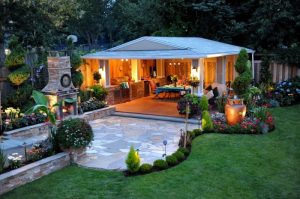
Outdoor spaces are transformed by the addition of a pergola, adding both aesthetic appeal and practical functionality. From creating shaded retreats to defining distinct zones within a larger area, pergolas offer a versatile design element for enhancing any outdoor environment. This exploration delves into the architectural styles, material choices, landscaping considerations, and overall design possibilities that elevate outdoor living with the elegant addition of a pergola.
We’ll examine how pergolas provide shade and privacy, compare their functionality to similar structures, and offer design inspiration for incorporating them into various outdoor settings. Practical advice on maintenance and care will also be provided, ensuring your pergola remains a beautiful and functional feature for years to come.
Outdoor Spaces
Creating a beautiful and functional outdoor space with a pergola involves careful consideration of several design and landscaping elements. The pergola itself acts as a central feature, but the surrounding landscape and design choices significantly impact the overall aesthetic and usability of the area. Effective planning ensures a harmonious blend of structure and nature, creating a welcoming and enjoyable outdoor retreat.
Landscaping Around Pergolas
Landscaping choices significantly influence a pergola’s visual appeal. Consider the overall style of your home and garden when selecting plants and hardscaping materials. A cohesive design creates a sense of unity and elegance. For instance, a modern pergola might be complemented by sleek, minimalist landscaping featuring gravel pathways and low-growing succulents, while a rustic pergola could be surrounded by lush flowerbeds and winding pathways made of natural stone.
The key is to choose plants and materials that complement the pergola’s style and the existing landscape. Careful consideration of plant height and spread is crucial to avoid overwhelming the pergola’s structure or obstructing views.
Pergola Lighting Integration
Integrating lighting into a pergola design enhances both ambiance and functionality. Strategic lighting can transform the space from a daytime retreat into a magical evening setting. Consider using a combination of ambient, task, and accent lighting. Ambient lighting, such as string lights draped across the pergola beams, provides a soft, overall glow. Task lighting, like spotlights illuminating specific areas, ensures visibility for dining or socializing.
Accent lighting, such as uplights highlighting the pergola’s structure or surrounding plants, adds depth and visual interest. Different lighting types and colors can be used to create various moods, from a romantic and intimate atmosphere to a vibrant and lively setting. For example, warm-toned LED lights can create a cozy feel, while cooler-toned lights can provide a more modern and sleek ambiance.
Climbing Plants and Vegetation
Climbing plants are a beautiful and effective way to enhance the visual appeal of a pergola. They add vertical interest, create shade, and soften the structure’s lines. Consider the pergola’s size and location when selecting climbing plants. Fast-growing vines like wisteria or clematis can quickly cover a large pergola, while slower-growing options like climbing roses or honeysuckle might be better suited for smaller structures.
The plants should also be chosen to thrive in the existing climate and soil conditions. Regular pruning is essential to maintain the plants’ health and shape, and to prevent them from overwhelming the pergola’s structure. Consider the mature size of the plants to avoid future issues.
Outdoor Space Design Concept
This design concept envisions a Mediterranean-style outdoor space centered around a wooden pergola.
- Pergola: A large, rustic wooden pergola with a natural, weathered finish.
- Furniture: A wrought iron dining set with comfortable cushions, complemented by several wicker armchairs and a coffee table.
- Flooring: Large, light-colored paving stones create a clean, spacious feel.
- Landscaping: Lavender bushes and rosemary plants are planted around the perimeter, providing a fragrant and visually appealing border. A small fountain adds a soothing water feature.
- Lighting: String lights are draped across the pergola beams, creating a warm and inviting ambiance in the evening. Spotlights illuminate the dining area.
- Decorative Elements: Terracotta pots filled with colorful flowers are placed strategically around the space. Outdoor cushions and throws add comfort and style.
Flooring Options and Their Effects
The choice of flooring significantly impacts the overall look and feel of a pergola-covered area. Different materials create different aesthetics and offer varying levels of durability and maintenance. For instance, natural stone paving creates a classic, elegant look and is highly durable, while decking provides a warmer, more rustic feel. Concrete offers a modern and minimalist aesthetic but may require more maintenance.
The flooring should be chosen to complement the pergola’s style and the surrounding landscape, and to withstand the elements. Consider factors like slip resistance, especially if the area is prone to moisture. For example, a polished concrete floor might look sleek but could be slippery when wet, while textured stone pavers provide better traction.
Pergolas and Outdoor Living
Pergolas seamlessly blend architectural elegance with the practicality of enhanced outdoor living. Their versatile design allows them to transform ordinary outdoor spaces into inviting and functional areas for dining, relaxation, and entertainment. By providing shade, shelter, and a defined aesthetic, pergolas significantly elevate the enjoyment of time spent outdoors.
Pergolas Enhancing Outdoor Dining Experiences
A pergola draped with climbing vines creates a naturally shaded and romantic setting for al fresco dining. The structure itself provides a framework for hanging lights, creating a warm ambiance in the evening. Built-in seating or a nearby patio further enhances the dining experience, offering comfort and convenience. For larger gatherings, a pergola can define the dining area within a larger outdoor space, creating a focal point and a sense of intimacy.
Imagine a family gathering, the scent of grilled food mingling with the perfume of blooming jasmine climbing the pergola’s beams.
Creating Relaxing and Comfortable Outdoor Seating Areas with Pergolas
Pergolas are ideal for establishing cozy and comfortable outdoor seating areas. The shaded space they provide offers respite from harsh sunlight, while the structure itself can be adorned with comfortable seating, such as wicker chairs or plush cushions. Adding soft lighting, such as string lights or lanterns, further enhances the relaxing atmosphere. A pergola can transform a simple patio into a tranquil retreat, perfect for reading, meditating, or simply enjoying the peace and quiet of the outdoors.
Consider a pergola positioned near a water feature, amplifying the calming effect with the gentle sound of trickling water.
Pergolas in Outdoor Entertainment Spaces
Pergolas provide the perfect backdrop for outdoor gatherings and parties. Their sturdy construction can support lighting, sound systems, and even screens for outdoor movie nights. The shaded area offers protection from the sun and elements, ensuring guests remain comfortable throughout the event. A pergola can be decorated with festive banners and lights to enhance the celebratory mood.
The defined space created by a pergola makes it easier to manage the flow of guests and create distinct zones for different activities within a larger outdoor space.
Pergolas as Focal Points in Outdoor Spaces
A pergola can serve as a striking focal point in an outdoor landscape, drawing the eye and adding architectural interest. This can be achieved through the use of unique materials, intricate designs, or strategic placement within the garden. A pergola with a climbing rose or wisteria can act as a living sculpture, adding a burst of color and texture to the landscape.
Alternatively, a simple, modern pergola can serve as a clean and elegant contrast to more elaborate landscaping. The placement of the pergola—perhaps at the end of a garden path or overlooking a vista—can also dramatically enhance its impact as a focal point.
A Summer Evening Under a Pergola
The air hummed with the gentle buzz of cicadas as the family gathered under the sprawling pergola. The wooden beams, weathered to a soft grey, were entwined with fragrant jasmine, their creamy white blossoms spilling over the edges. The warm glow of string lights strung across the structure cast dancing shadows on the terracotta tiles beneath. The children, their laughter echoing through the twilight, chased fireflies, their tiny lights twinkling against the deepening blue of the sky.
The scent of freshly cut grass mingled with the aroma of grilled chicken and rosemary, emanating from the nearby barbecue. The textures were a symphony of smooth wood, soft cushions, and rough-hewn stone, while the colors ranged from the deep greens of the surrounding foliage to the warm ochre of the setting sun. It was a perfect summer evening, a memory etched in the family’s hearts, forever associated with the comforting shade and gentle embrace of their beloved pergola.
Maintenance and Care of Pergolas and Outdoor Spaces
Proper maintenance is key to extending the lifespan and beauty of your pergola and surrounding outdoor space. Regular care prevents costly repairs and ensures your pergola remains a focal point of your garden for years to come. Different materials require different approaches, and understanding these nuances will help you keep your pergola looking its best.
Routine Maintenance for Different Pergola Materials
The maintenance schedule for your pergola will depend heavily on the material it’s constructed from. Wood, metal, and vinyl each present unique challenges and require specific care to prevent deterioration.
- Wood Pergolas: Wooden pergolas require regular cleaning and sealing to protect against rot, insect infestation, and weathering. Annual cleaning with a mild detergent and water, followed by the application of a high-quality wood sealant or stain, is crucial. Inspect for any signs of damage, such as cracks or loose joints, and address them promptly.
- Metal Pergolas: Metal pergolas are generally more resistant to rot and insect damage, but they can rust and corrode, especially in coastal areas or humid climates. Regular cleaning with a wire brush and soapy water can remove dirt and debris. Apply a rust-resistant paint or sealant every few years to protect against corrosion. Inspect for loose bolts and tighten as needed.
- Vinyl Pergolas: Vinyl pergolas are low-maintenance and require minimal care. Regular cleaning with soap and water is usually sufficient. Avoid harsh chemicals that can damage the vinyl. Inspect for cracks or damage and contact a professional for repairs if needed.
Protecting Pergolas from Weather Damage
Weather is a significant factor affecting pergola longevity. Taking proactive steps can significantly reduce damage.
- Regular Cleaning: Removing leaves, debris, and snow buildup prevents moisture accumulation, which can lead to rot and damage.
- Protective Coatings: Applying weather-resistant sealants, paints, or stains to wooden and metal pergolas creates a barrier against moisture and UV damage.
- Proper Drainage: Ensure that water drains away from the pergola’s base to prevent waterlogging and foundation damage. This may involve grading the ground or installing drainage systems.
- Winterization: In colder climates, remove any climbing plants or hanging decorations that could be damaged by ice or snow. Consider covering the pergola to protect it from heavy snowfall.
Cleaning and Preserving a Pergola
Cleaning your pergola is more than just aesthetics; it’s about protecting the structure.
- Preparation: Clear the area around the pergola of any obstructions. Gather your cleaning supplies: soft-bristled brush, mild detergent, water, garden hose, and appropriate sealant or stain (if needed).
- Cleaning: Gently scrub the pergola with the brush and soapy water, rinsing thoroughly with the hose. Pay close attention to crevices and areas where dirt tends to accumulate.
- Drying: Allow the pergola to dry completely before applying any sealant or stain. This usually takes several hours or overnight, depending on weather conditions.
- Sealing/ Staining: Apply a high-quality wood sealant or stain to wooden pergolas according to the manufacturer’s instructions. This protects against moisture and UV damage. For metal, apply rust-resistant paint.
Addressing Common Issues and Repairs
Knowing how to address common problems will save you time and money in the long run.
- Loose Joints: Tighten loose bolts or screws with appropriate tools. For more significant damage, consider consulting a professional.
- Rotting Wood: Repair or replace any rotted wood sections immediately. Apply wood hardener to affected areas before replacing the damaged wood.
- Rust on Metal: Remove rust with a wire brush and apply rust-resistant paint. If the rust is extensive, professional intervention may be necessary.
- Cracked Vinyl: Repair or replace cracked vinyl sections. Use vinyl repair kits or contact a professional for assistance.
Preventative Maintenance Schedule for a Wooden Pergola
Regular preventative maintenance is key to a long-lasting pergola.
| Task | Frequency | Materials Needed | Notes |
|---|---|---|---|
| Clean with soap and water | Monthly | Soft-bristled brush, mild detergent, water, garden hose | Remove dirt, leaves, and debris |
| Inspect for loose joints or damage | Monthly | Screwdriver, wrench | Tighten loose fasteners, address any damage promptly |
| Apply wood sealant or stain | Annually | Wood sealant or stain, paintbrush or sprayer | Protect wood from moisture and UV damage |
| Deep clean with a pressure washer | Twice yearly | Pressure washer, detergent | Remove stubborn dirt and mildew. Use caution to avoid damaging the wood. |
Ultimately, incorporating a pergola into your outdoor space offers a blend of style and practicality. Whether you envision a shaded dining area, a relaxing seating nook, or a vibrant entertainment space, the versatility of the pergola allows for personalized design to suit your unique needs and aesthetic preferences. By carefully considering the design elements, materials, and landscaping, you can create an outdoor oasis that enhances your lifestyle and provides a welcoming environment for relaxation and enjoyment.
FAQs
How much does a pergola typically cost?
The cost varies greatly depending on size, materials (wood, metal, vinyl), and complexity of design. Expect to pay anywhere from a few hundred to several thousand dollars.
What permits are needed to build a pergola?
Permit requirements depend on your location and the size/complexity of the pergola. Check with your local building department for specific regulations.
How long does a pergola last?
Lifespan depends on the material. Wood pergolas require regular maintenance but can last for decades. Metal and vinyl pergolas are generally more durable and low-maintenance.
Can I build a pergola myself?
Yes, with basic carpentry skills and the right tools, you can build a simple pergola. However, complex designs may require professional assistance.