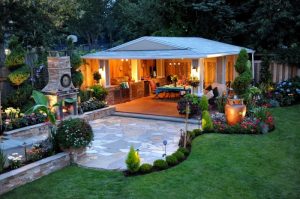
Transforming your outdoor area into a haven for entertaining requires careful planning and consideration. From selecting the perfect furniture and lighting to incorporating technology and addressing practical concerns, creating an inviting and functional space involves a multifaceted approach. This guide explores the key elements needed to design an outdoor area that seamlessly blends style, comfort, and functionality, ensuring memorable gatherings for years to come.
We’ll delve into various design styles, practical considerations such as weather protection and pest control, and explore how technology can enhance the overall experience. The goal is to provide a comprehensive resource, empowering you to create the perfect outdoor entertaining space tailored to your specific needs and preferences.
Outdoor Kitchen and Food Preparation Areas
Creating a functional outdoor kitchen significantly enhances the entertaining experience, allowing for seamless food preparation and a more engaging atmosphere for guests. A well-designed outdoor kitchen extends the living space and provides a dedicated area for cooking and socializing, blurring the lines between indoor and outdoor living. The key is to carefully consider the essential components and design an efficient workflow to maximize both functionality and aesthetic appeal.Key Components of a Functional Outdoor KitchenA functional outdoor kitchen needs several key components to ensure smooth operation.
These include ample counter space for food preparation, sufficient storage for cooking utensils and ingredients, a reliable water source (sink with running water), and of course, the cooking appliances themselves. Adequate lighting is also crucial for evening entertaining, while weather protection, such as a pergola or awning, can extend usability throughout the year. Finally, waste disposal solutions, like a dedicated garbage and recycling area, are essential for maintaining cleanliness and hygiene.
Consider the integration of appliances such as a refrigerator, ice maker, and even a dishwasher for enhanced convenience.Types of Outdoor Cooking AppliancesOutdoor cooking appliances offer diverse options, each with its unique strengths and weaknesses. Grills, the most common choice, provide quick and efficient cooking for various meats and vegetables. Gas grills offer convenience and consistent heat, while charcoal grills impart a smoky flavor favored by many.
Smokers, on the other hand, are designed for low and slow cooking, ideal for creating tender and flavorful meats. They use wood chips or pellets to generate smoke, resulting in a distinct smoky aroma and taste. Pizza ovens provide a unique cooking experience, enabling the creation of authentic, crispy-crusted pizzas. The high heat they generate ensures a perfectly cooked crust and bubbly toppings.
The choice depends on personal preferences and the types of food intended to be cooked.Designing an Efficient WorkflowAn efficient workflow in an outdoor kitchen prioritizes minimizing movement and maximizing ease of access to essential elements. The layout should logically sequence the preparation, cooking, and serving processes. For instance, the food preparation area, including the sink and cutting boards, should be located close to the cooking appliances.
Storage areas for ingredients and utensils should be readily accessible. The serving area, ideally near a dining space, should be conveniently positioned for efficient food transfer. Consider the placement of seating areas relative to the kitchen to encourage interaction and socialization while cooking. A well-designed workflow makes entertaining smoother and more enjoyable for both the host and the guests.
For example, a linear layout with the prep area, grill, and serving area in a straight line can be very efficient, while an L-shaped layout might be better suited for larger spaces.
Creating a Comfortable and Inviting Atmosphere
Transforming your outdoor space into a haven for entertaining requires careful consideration of comfort and ambiance. The goal is to create an environment where guests feel relaxed, welcome, and encouraged to socialize and enjoy themselves. This involves a thoughtful selection of furniture, strategic landscaping, and the clever division of the space into distinct zones.Comfortable seating and lounging areas are paramount to a successful outdoor entertaining space.
Guests should have ample opportunity to relax and converse in a variety of settings.
Comfortable Seating and Lounging Areas
Creating comfortable seating options involves choosing furniture appropriate for the space and the climate. Consider durable, weather-resistant materials like wicker, teak, or aluminum for seating and tables. Include a mix of seating styles to cater to different preferences: plush cushioned sofas and armchairs for ultimate relaxation, stylish benches for casual seating, and perhaps even some floor cushions or beanbag chairs for a more informal feel.
For larger gatherings, consider modular seating arrangements that can be easily reconfigured to suit the occasion. Strategic placement of outdoor umbrellas or a pergola provides shade and protection from the elements, adding to the overall comfort. Think about incorporating soft, outdoor-friendly textiles like weather-resistant fabrics for cushions and throws to enhance both comfort and visual appeal.
Landscaping for Ambiance Enhancement
Plants, flowers, and other landscaping elements significantly contribute to the overall ambiance of an outdoor entertaining space. Strategic planting can create visual interest, provide privacy, and even influence the mood. Consider using a mix of textures and heights, incorporating lush greenery, flowering plants, and perhaps even some interesting architectural elements like decorative pots or water features. For instance, a vibrant flower border can add a touch of elegance, while strategically placed trees or shrubs can offer shade and create a sense of seclusion.
Lighting plays a crucial role; strategically placed pathway lighting, uplighting for trees and shrubs, or string lights strung across the area can transform the atmosphere as evening approaches, creating a magical and inviting setting.
Creating Distinct Zones for Various Activities
Dividing the outdoor space into distinct zones allows for a more organized and enjoyable experience for both the host and guests. A designated dining area, for example, should feature a comfortable table and chairs sufficient for the expected number of guests. A separate conversation area, perhaps featuring a comfortable seating arrangement around a fire pit or water feature, encourages intimate interactions.
A games area, equipped with outdoor games like croquet or badminton, provides entertainment for those who enjoy a more active pastime. By creating these distinct zones, you cater to different preferences and allow guests to easily move between activities without disrupting others. Consider using different materials, colors, and lighting to visually delineate these zones, enhancing the overall organization and flow of the space.
Outdoor Spaces
Creating a truly enjoyable outdoor entertaining space requires careful consideration of practical elements beyond aesthetics. The success of any gathering hinges on comfort, convenience, and protection from the elements. Addressing these practical aspects ensures your guests have a memorable and positive experience.
Weather Protection in Outdoor Entertaining Spaces
Effective weather protection is paramount for successful outdoor entertaining. Unpredictable weather can quickly disrupt even the best-laid plans. Strategically placed pergolas provide elegant shade and protection from light rain, creating a defined and stylish area. For more immediate and adaptable solutions, umbrellas offer a portable and readily deployable option, easily moved to follow the sun or provide shelter from sudden showers.
Awnings, permanently affixed or retractable, provide extensive coverage, ideal for larger areas or those frequently exposed to harsh sun or inclement weather. The choice depends on the scale of your space, budget, and the prevailing weather conditions in your location. For instance, a retractable awning is perfect for a patio in a region with intense afternoon sun and occasional rain, while a pergola might suit a Mediterranean climate with primarily sunny days.
Pest and Insect Management in Outdoor Spaces
Managing pests and insects is crucial for maintaining a pleasant and hygienic outdoor entertaining area. Regular cleaning and maintenance are the first lines of defense. Removing food scraps, spilled drinks, and stagnant water eliminates breeding grounds for many insects. Natural pest deterrents, such as citronella candles or plants like lavender and rosemary, can create a less hospitable environment for unwanted guests.
For more persistent infestations, consider professional pest control services or targeted treatments for specific pests. For example, strategically placed insect traps can effectively manage mosquito populations, while regular lawn maintenance can help reduce ant activity. Implementing a multi-pronged approach, combining preventative measures with targeted interventions, ensures the best outcome.
Maintaining and Cleaning an Outdoor Entertaining Area
Regular cleaning and maintenance are essential for preserving the beauty and functionality of your outdoor entertaining space. This involves sweeping or pressure washing hard surfaces to remove dirt, debris, and spills. Furniture should be regularly cleaned and treated to protect it from the elements. Plants should be pruned and watered as needed to maintain their health and appearance.
For example, a weekly sweep of the patio, followed by a monthly pressure wash, will keep the area clean and prevent the build-up of grime. Regularly cleaning and treating outdoor furniture with weather-resistant sealant will extend its lifespan and maintain its aesthetic appeal. By establishing a routine maintenance schedule, you can ensure your outdoor entertaining space remains a welcoming and enjoyable area for years to come.
Budgeting and Planning for Outdoor Entertaining Spaces
Creating an enjoyable and functional outdoor entertaining space requires careful planning and budgeting. The cost can range dramatically depending on the scale of the project, the materials chosen, and the level of DIY involvement. Understanding these factors upfront is crucial for a successful and stress-free experience.
Budget Levels for Outdoor Entertaining Spaces
Different budget levels allow for varying degrees of luxury and complexity. A small budget might focus on simple additions like comfortable seating and string lights, while a larger budget could encompass a complete outdoor kitchen and sophisticated landscaping. Here are some examples:
- Budget-Friendly (<$1000): This level focuses on enhancing existing spaces. Think repainting existing furniture, adding inexpensive string lights, and purchasing affordable outdoor cushions and throws. Repurposing existing items from around the house can further reduce costs. A focus on plants in pots can also create a lush feel without major landscaping investments.
- Mid-Range ($1000 – $5000): This budget allows for more substantial improvements. You could invest in a high-quality patio umbrella, a small fire pit, or perhaps a simple outdoor dining set made of durable materials like weather-resistant wicker or metal. Basic landscaping, such as adding gravel or pavers to a designated area, is also feasible within this range.
- High-End ($5000+): A larger budget opens up possibilities for significant upgrades. This could include a custom-built outdoor kitchen with high-end appliances, professional landscaping, built-in seating, and high-quality outdoor furniture. The use of premium materials such as natural stone or teak wood would also be achievable.
Step-by-Step Guide for Planning and Designing an Outdoor Space
Effective planning is key to achieving the desired outcome within your budget. A structured approach ensures a cohesive and enjoyable space.
- Define Your Goals and Needs: Determine the primary purpose of your outdoor space (e.g., dining, relaxation, entertaining). Consider the number of guests you typically entertain and the activities you plan to host.
- Assess Your Existing Space: Evaluate the size, shape, and existing features of your outdoor area. Note any existing structures, trees, or other elements that may influence your design.
- Develop a Design Plan: Sketch out a basic layout of your desired space, including furniture placement, pathways, and any additional features (e.g., fire pit, water feature). Consider the flow and functionality of the space.
- Choose Materials and Furnishings: Select durable, weather-resistant materials for furniture and other elements. Consider your style preferences and the overall aesthetic you wish to achieve.
- Create a Detailed Budget: Break down the costs of materials, labor (if hiring professionals), and any other expenses. Allocate funds for each aspect of the project to stay within your budget.
- Obtain Necessary Permits: Check with your local authorities to determine if any permits are required for construction or landscaping work.
- Implement Your Plan: Begin construction or installation, following your design plan and budget. Consider working in stages if necessary.
Resources for Finding Inspiration and Ideas
Numerous resources can inspire your outdoor entertaining space design.
- Home Improvement Magazines and Websites: Publications such as Better Homes and Gardens, Architectural Digest, and Houzz offer a wealth of ideas and inspiration for outdoor spaces.
- Pinterest and Instagram: These platforms provide a visual library of outdoor design ideas, allowing you to explore different styles and trends.
- Landscape Designers and Architects: Professionals can provide expert advice and create custom designs tailored to your specific needs and budget.
- Local Garden Centers and Nurseries: These businesses often offer design consultations and can help you select appropriate plants and materials for your climate and soil conditions.
Designing an exceptional outdoor entertaining space is a rewarding endeavor that culminates in creating lasting memories with loved ones. By thoughtfully considering the elements discussed – from furniture selection and lighting design to practical considerations and technological integrations – you can transform your outdoor area into a vibrant and welcoming hub for gatherings of all sizes. Remember, the key is to create a space that reflects your personal style and provides a comfortable and enjoyable experience for everyone.
FAQ Summary
What is the best material for outdoor furniture?
The best material depends on your climate and budget. Wrought iron is durable but can rust; teak is weather-resistant but expensive; aluminum is lightweight and rust-proof. Consider your needs and local conditions.
How do I protect my outdoor furniture from the elements?
Use protective covers during inclement weather, store furniture indoors during harsh seasons, and choose weather-resistant materials. Regularly cleaning and treating furniture also helps extend its lifespan.
What are some budget-friendly ways to enhance my outdoor space?
Repurpose existing items (e.g., old pallets as planters), use inexpensive lighting like string lights, and add plants from local nurseries. DIY projects can significantly reduce costs.