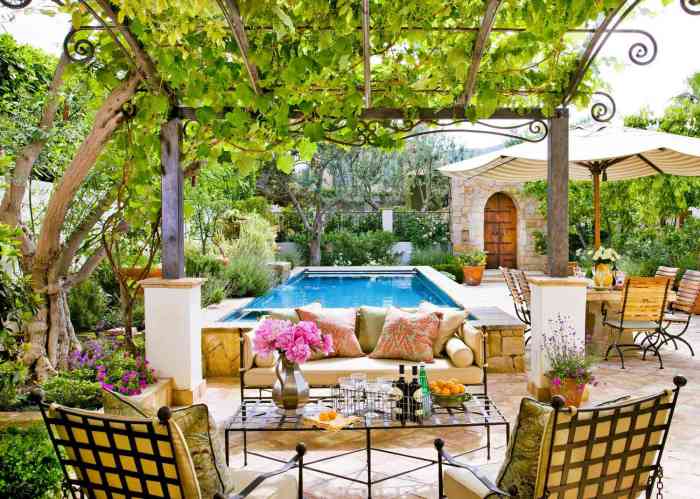
Finding the perfect outdoor sanctuary for relaxation is a pursuit many share. Whether you envision a tranquil garden, a vibrant park, or a secluded beach, the ideal space caters to individual preferences and needs. This exploration delves into the art of creating and discovering these havens, examining various outdoor environments and the elements that contribute to a truly restorative experience.
We’ll consider the different types of relaxation – active or passive, social or solitary – and how various outdoor settings cater to these preferences. From understanding the sensory aspects that enhance relaxation to practical design considerations for creating your own peaceful retreat, this guide provides a comprehensive overview of the best outdoor spaces for unwinding and recharging.
Outdoor Spaces
Outdoor spaces, far from being merely places for relaxation, serve a multitude of crucial functions within our communities and the broader environment. Their design and utilization significantly impact social interactions, environmental health, and economic prosperity. Understanding this broader perspective is essential for creating truly beneficial and sustainable outdoor environments.
The Multifaceted Roles of Outdoor Spaces
Well-designed outdoor spaces offer a diverse range of benefits that extend far beyond simple leisure. They act as vital components of a healthy and thriving society, contributing to physical and mental well-being, fostering social connections, and supporting environmental sustainability. The economic implications are also significant, impacting property values, tourism, and local business.
Social Impacts of Outdoor Spaces
Outdoor spaces serve as crucial hubs for social interaction and community building. Parks, plazas, and greenways provide opportunities for people to connect with one another, fostering a sense of belonging and strengthening community bonds. These spaces can be particularly important for marginalized communities, providing access to recreational opportunities and safe gathering places. For example, the revitalization of a neglected park in a low-income neighborhood can lead to a noticeable decrease in crime rates and an increase in community engagement, demonstrating the positive social impact of well-designed outdoor areas.
Environmental Impacts of Outdoor Spaces
The environmental benefits of outdoor spaces are substantial and far-reaching. Green spaces help mitigate the urban heat island effect, reducing energy consumption and improving air quality. They also play a crucial role in managing stormwater runoff, reducing flooding, and filtering pollutants. Furthermore, they provide vital habitats for wildlife, promoting biodiversity and supporting ecological balance. Consider, for instance, the significant contribution of urban forests in absorbing carbon dioxide and improving air quality, a measurable benefit directly linked to the presence of these outdoor spaces.
Economic Impacts of Outdoor Spaces
The economic impact of well-designed outdoor spaces is often underestimated. Studies have shown that properties located near parks and green spaces command higher values, reflecting the desirability of living in areas with access to nature. Moreover, attractive outdoor spaces can boost tourism, attracting visitors and generating revenue for local businesses. The creation of vibrant public spaces can also stimulate economic development, attracting new businesses and creating jobs.
For example, the development of a waterfront park can revitalize a previously neglected area, leading to increased property values, new businesses, and job creation, illustrating the economic potential of strategically designed outdoor environments.
Activities and Experiences in Outdoor Spaces
The diverse range of activities and experiences that can be enjoyed in outdoor spaces is vast and constantly evolving.
- Recreation and Exercise: Walking, running, cycling, team sports, picnics, and outdoor fitness classes.
- Social Interaction and Community Building: Gatherings, festivals, markets, and community events.
- Environmental Education and Appreciation: Nature walks, birdwatching, gardening, and environmental awareness programs.
- Arts and Culture: Outdoor concerts, performances, art installations, and exhibitions.
- Passive Recreation and Relaxation: Quiet contemplation, reading, sunbathing, and enjoying the natural environment.
Ultimately, the best outdoor space for relaxation is subjective, dependent on personal preferences and desired level of engagement. However, by understanding the key elements that contribute to a calming atmosphere – from the careful selection of natural elements to mindful design choices – we can all cultivate spaces that promote serenity and well-being. Whether it’s a meticulously planned garden or a simple spot in nature, the ability to disconnect and recharge in an outdoor setting offers invaluable benefits to our physical and mental health.
Question Bank
What are some affordable ways to enhance my existing outdoor space for relaxation?
Adding inexpensive elements like comfortable outdoor cushions, string lights, potted plants, and a small water feature can significantly improve relaxation. Consider repurposing existing items or using DIY projects to save money.
How can I make my outdoor space more private for relaxation?
Strategic planting of tall shrubs or trees, installing privacy screens or fences, and using outdoor curtains or blinds can create a more secluded and intimate atmosphere.
What if I live in an apartment and don’t have a large outdoor space?
Even a small balcony or patio can be transformed into a relaxing space with thoughtful design. Focus on maximizing the use of vertical space with climbing plants, and choose furniture that is compact and comfortable.


