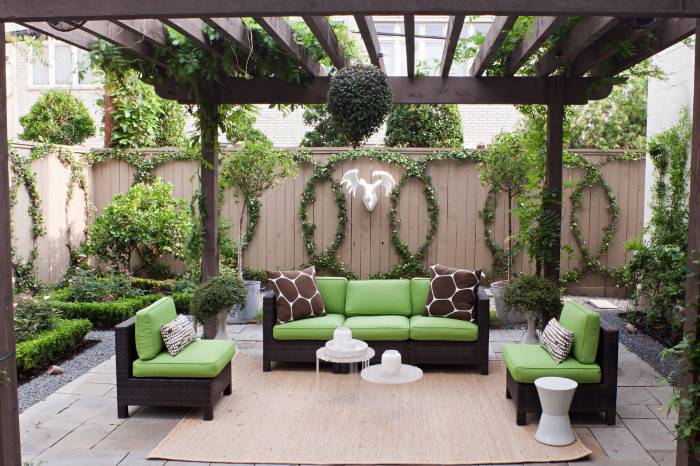
Creating sustainable outdoor spaces is more than just landscaping; it’s about fostering environments that benefit both people and the planet. This involves careful consideration of ecological principles, community needs, and long-term maintenance strategies. From urban parks to community gardens, these spaces offer vital ecosystem services, enhance well-being, and contribute to a more resilient future. We’ll explore the key design elements, sustainable materials, and community engagement practices crucial for successful implementation and long-term sustainability.
This exploration delves into the multifaceted aspects of designing, building, and maintaining thriving outdoor environments. We’ll examine best practices for water conservation, waste reduction, and biodiversity enhancement, while also highlighting the importance of inclusivity and accessibility for all members of the community. Case studies of successful projects worldwide will illuminate practical applications and inspire innovative approaches.
Biodiversity and Ecosystem Services
Biodiversity, the variety of life at all levels from genes to ecosystems, is fundamental to creating resilient and sustainable outdoor spaces. A diverse range of plants, animals, and microorganisms contributes to a more robust and adaptable environment, capable of withstanding environmental stresses and providing essential ecosystem services. These services are the many and varied benefits that humans freely gain from the natural environment and properly functioning ecosystems.
High biodiversity enhances the stability and resilience of outdoor spaces. Diverse plant communities, for instance, are better equipped to withstand droughts, pests, and diseases than monocultures. A wider variety of plant species also offers a more complex and interconnected food web, supporting a greater diversity of animal life and increasing the overall health of the ecosystem. This interconnectedness creates a more robust system that is less vulnerable to collapse in the face of disturbances.
Plant Species and Design Elements Supporting Biodiversity
Creating outdoor spaces that support biodiversity requires careful planning and selection of appropriate plant species and design elements. The goal is to mimic natural ecosystems as closely as possible, providing habitat and resources for a wide range of organisms.
Examples of plant species that promote biodiversity include those with varying heights, flowering times, and leaf structures. For example, incorporating native flowering plants like coneflowers ( Echinacea spp.) and goldenrods ( Solidago spp.) provides nectar and pollen for pollinators such as bees and butterflies. Adding plants with different textures and structures, such as grasses, shrubs, and trees, creates diverse microhabitats for a wider range of insects and animals.
The inclusion of trees provides shade and nesting sites for birds, while shrubs offer shelter for smaller mammals.
Design elements that support biodiversity include the creation of diverse habitats such as rock piles, log piles, and ponds. These features provide shelter and breeding grounds for various creatures. Leaving areas of bare ground allows for the establishment of native wildflowers and other ground-covering plants. Minimizing the use of pesticides and herbicides is crucial, as these chemicals can harm beneficial insects and other organisms.
Instead, employing natural pest control methods, such as introducing beneficial insects, is a more sustainable approach.
The Importance of Native Plants
Native plants are particularly important for supporting biodiversity because they have evolved alongside local wildlife and are adapted to the specific environmental conditions of the region. They provide food and habitat for native insects, birds, and other animals, creating a more self-sustaining ecosystem. Native plants are also generally more resistant to pests and diseases, requiring less maintenance and reducing the need for pesticides.
Using native plants contributes to the overall health and resilience of the outdoor space, minimizing the need for fertilizers and irrigation. They support local pollinators, which are crucial for the reproduction of many plant species. Furthermore, they often have deeper root systems that improve soil health and reduce erosion. For instance, replacing a non-native lawn with a mix of native grasses and wildflowers can dramatically increase the biodiversity of an area, creating a more vibrant and ecologically valuable space.
Outdoor Spaces and Ecosystem Services
Well-designed outdoor spaces can significantly contribute to the provision of several vital ecosystem services. One crucial service is carbon sequestration, the process by which plants absorb carbon dioxide from the atmosphere and store it in their biomass and soil. Trees, in particular, are highly effective carbon sinks, helping to mitigate climate change.
Another important service is air purification. Plants absorb various air pollutants, including particulate matter and ozone, improving air quality and contributing to human health. Furthermore, outdoor spaces can help to regulate water cycles, reducing runoff and improving water infiltration into the ground. This can help to prevent flooding and recharge groundwater supplies. The presence of green spaces also has a positive impact on human well-being, providing opportunities for recreation, stress reduction, and improved mental health.
For example, a well-planned urban park with a mix of native trees, shrubs, and herbaceous plants can significantly contribute to carbon sequestration, air purification, and water regulation, while simultaneously providing recreational opportunities for the local community. Similarly, a green roof on a building can reduce the urban heat island effect, improve air quality, and manage stormwater runoff. These are just a few examples of how thoughtfully designed outdoor spaces can provide a multitude of benefits for both the environment and human society.
Accessibility and Inclusivity in Outdoor Spaces
Creating sustainable outdoor spaces requires careful consideration of accessibility and inclusivity, ensuring that everyone can enjoy and benefit from these environments. A truly sustainable space is one that welcomes and caters to the needs of all members of the community, regardless of age, ability, or background. This includes not only physical accessibility but also equitable access to the opportunities and benefits these spaces provide.
Design Considerations for Accessibility
Designing accessible outdoor spaces involves incorporating features that cater to a wide range of physical abilities. This necessitates moving beyond simply complying with minimum accessibility standards and embracing a universal design philosophy. Universal design aims to create spaces that are usable and enjoyable by everyone, to the greatest extent possible, without the need for adaptation or specialized design.
This approach minimizes the need for separate or specialized facilities, promoting inclusivity from the outset. Key considerations include providing ramps with appropriate gradients and landings, ensuring pathways are wide enough for wheelchairs and other mobility aids, and offering tactile paving for visually impaired individuals. Signage should be clear, legible, and available in multiple formats (e.g., Braille, large print).
Rest areas with seating of varying heights and styles are also crucial, along with accessible drinking fountains and restrooms.
Strategies for Promoting Inclusivity and Equitable Access
Promoting inclusivity involves more than just physical accessibility; it also requires addressing social and cultural barriers. This includes actively engaging diverse community groups in the planning and design process to ensure that the space reflects their needs and preferences. Collaborating with local disability organizations and community leaders is vital in understanding the unique challenges and opportunities faced by different groups.
Providing accessible information and educational materials in multiple languages and formats is another key element. Furthermore, fostering a welcoming and inclusive atmosphere through community events and activities that cater to a diverse range of interests can promote a sense of belonging for everyone. Finally, ensuring affordability and accessibility of programs and activities within the space prevents socioeconomic barriers from limiting participation.
For example, offering free or low-cost programs, scholarships, and transportation assistance can increase access for marginalized communities.
Features Promoting Accessibility and Inclusivity
The following features are essential for creating accessible and inclusive outdoor spaces:
- Ramps with appropriate gradients and landings
- Wide, smooth pathways suitable for wheelchairs and other mobility aids
- Tactile paving for visually impaired individuals
- Clear, legible signage in multiple formats (Braille, large print, multiple languages)
- Rest areas with seating of varying heights and styles
- Accessible drinking fountains and restrooms
- Sensory gardens designed to stimulate multiple senses
- Adaptive playground equipment suitable for children of all abilities
- Ample lighting for safe navigation
- Designated quiet zones for those sensitive to noise
- Well-maintained and accessible parking areas
- Interpretive materials in multiple formats and languages
Community Engagement Plan for Accessibility Feedback
A successful community engagement plan for gathering feedback on accessibility requires a multi-pronged approach. The plan should begin with the formation of a diverse stakeholder group representing various community segments, including people with disabilities, older adults, families with young children, and representatives from local organizations. Multiple channels for feedback should be utilized, such as online surveys, focus groups, in-person interviews, and community workshops.
These sessions should provide opportunities for participants to share their experiences, identify barriers to access, and offer suggestions for improvement. The feedback collected should be systematically analyzed and incorporated into the design and management of the outdoor space. Transparency in the process is crucial; the community should be kept informed of the feedback received, the design modifications implemented, and the ongoing evaluation of accessibility features.
Finally, the plan should include provisions for ongoing monitoring and evaluation, ensuring that the space remains accessible and inclusive over time. For example, the City of Portland, Oregon, utilizes a similar model for gathering community feedback on accessibility in its parks and public spaces.
Ultimately, the creation and maintenance of sustainable outdoor spaces represent a vital investment in our collective future. By prioritizing ecological responsibility, community engagement, and innovative design, we can transform our surroundings into vibrant, resilient, and inclusive environments that benefit both present and future generations. The journey towards sustainability is ongoing, requiring continuous adaptation and innovation, but the rewards—healthier ecosystems, stronger communities, and a more beautiful world—are immeasurable.
Expert Answers
What is the lifespan of sustainable materials used in outdoor spaces?
The lifespan varies greatly depending on the material and its application. However, many sustainable materials, such as reclaimed wood and certain composite materials, are designed for durability and longevity, often exceeding the lifespan of traditional materials.
How can I get community involvement in maintaining a sustainable outdoor space?
Organize volunteer events, create community gardens, establish neighborhood watch programs for the space, and partner with local schools and organizations.
What are some cost-effective ways to incorporate sustainability into outdoor space design?
Prioritize native plants (reducing watering needs), use recycled materials, and engage volunteers for labor-intensive tasks. Careful planning can significantly reduce long-term maintenance costs.
How do I choose appropriate native plants for my region?
Consult local nurseries, gardening experts, or online resources specific to your region’s climate and soil conditions to select plants best suited to your area.


