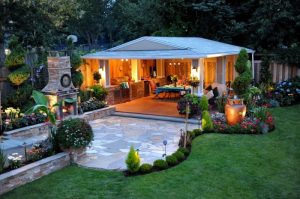
Imagine crisp evenings, the crackle of a fire, and the warmth of companionship. Outdoor spaces featuring fire pits offer more than just heat; they create enchanting settings for relaxation, socializing, and creating lasting memories. From intimate backyard gatherings to expansive patio parties, the versatility of a fire pit transforms any outdoor area into a captivating focal point, blending comfort and ambiance seamlessly.
This exploration delves into the diverse world of outdoor spaces enhanced by fire pits, covering design considerations, safety precautions, and the many benefits these features bring to both homeowners and their guests. We’ll examine various fire pit types, fuel options, and landscaping ideas, ultimately guiding you towards creating your own perfect outdoor haven.
Defining “Outdoor Spaces with Fire Pits”
Outdoor spaces incorporating fire pits represent a versatile and increasingly popular design element, transforming ordinary backyards, patios, and even rooftops into inviting and functional gathering areas. These spaces transcend simple functionality, offering a blend of warmth, ambiance, and social interaction, significantly enhancing the overall outdoor living experience.The term encompasses a wide variety of settings, from intimate patio spaces to expansive landscaped gardens.
The defining characteristic is the presence of a fire pit as a central feature, shaping the design and functionality of the surrounding area.
Types of Outdoor Spaces with Fire Pits
Fire pits can be integrated into a diverse range of outdoor environments. Consider a secluded woodland setting, where a rustic stone fire pit nestled amongst trees creates a tranquil escape. Alternatively, a modern minimalist patio might feature a sleek, built-in fire pit with clean lines and minimalist landscaping. Rooftop terraces, particularly in urban settings, can also benefit from a fire pit, providing a unique and intimate gathering space despite limited outdoor area.
Even larger, more formal gardens can incorporate fire pits as focal points, complementing existing landscaping features.
Fire Pit Designs and Materials
The design and materials of a fire pit significantly influence the overall aesthetic of the outdoor space. Common materials include natural stone (flagstone, river rock, or fieldstone), providing a rustic and timeless appeal. Metal fire pits, such as those made from steel or cast iron, offer a more modern and sleek look, often incorporating contemporary design elements. Brick fire pits provide a classic and versatile option, blending well with various architectural styles.
Pre-fabricated fire pits offer convenience and affordability, while custom-built options allow for complete design control and integration with the surrounding landscape. Examples range from simple, bowl-shaped pits to elaborate structures with seating built-in. For instance, a raised, circular fire pit made of stacked flagstone might complement a traditional garden, while a square, steel fire pit with a minimalist design would suit a contemporary patio.
Functionalities of Fire Pits Beyond Warmth
While providing warmth is a primary function, fire pits offer much more. They serve as a central gathering point for social events, fostering conversation and creating a sense of community. Many fire pits are designed for cooking, with grills or grates built-in, allowing for outdoor meals and s’mores. The flickering flames provide a mesmerizing ambiance, creating a relaxing and inviting atmosphere ideal for evening gatherings.
The visual appeal of the fire itself, combined with the warmth and light it provides, can transform the mood of any outdoor space. For example, a fire pit with a built-in grill could host a casual barbecue, while a smaller, decorative fire pit could enhance a quiet evening spent reading a book outdoors.
Styles of Outdoor Spaces that Complement Fire Pits
The style of the outdoor space should complement the fire pit’s design. A rustic setting might feature a stone fire pit surrounded by wooden furniture and natural landscaping. A modern minimalist space would incorporate a sleek, metal fire pit with clean lines and minimalist furniture, perhaps with concrete or gravel paving. A traditional garden might include a brick fire pit integrated into a larger patio area, with carefully selected plants and flowers.
Each style allows for a unique and personalized outdoor experience, showcasing the fire pit as a central design element within the overall aesthetic.
Benefits and Uses of Outdoor Spaces with Fire Pits
Outdoor spaces featuring fire pits offer a multitude of benefits, transforming ordinary backyards or patios into inviting gathering places and enriching the overall experience of outdoor living. These spaces provide opportunities for relaxation, socialization, and even therapeutic benefits, while also offering a unique aesthetic appeal.
Social Benefits of Gathering Around a Fire Pit
The warmth and flickering light of a fire pit naturally draw people together. It creates a focal point for conversation, fostering a sense of community and shared experience. The informal setting encourages relaxed interaction, making it ideal for intimate gatherings with family and friends, or larger social events. Sharing stories, laughter, and quiet moments around a fire pit creates lasting memories and strengthens bonds.
The ambiance promotes a sense of togetherness that is difficult to replicate in other settings.
Activities Suitable for Spaces with Fire Pits
Fire pits are incredibly versatile and can enhance a wide range of outdoor activities. They are perfect for roasting marshmallows and making s’mores, a classic and universally enjoyed activity. Beyond this, they can be the centerpiece for casual cookouts, where food can be grilled or warmed over the flames. The warmth provided by the fire also makes them ideal for stargazing on cool evenings or simply enjoying the quiet solitude of nature.
For those who enjoy crafting, fire pits can be utilized for forging or even creating unique art pieces using heat-treated materials. Games and storytelling also find a perfect home in the relaxed environment a fire pit provides.
Environmental Considerations When Using a Fire Pit
Responsible fire pit use is crucial for environmental safety. Always check local regulations and fire restrictions before lighting a fire, especially during dry periods. Keep a safe distance from flammable materials like overhanging branches or dry leaves. Maintain a supply of water or sand nearby to extinguish the fire quickly and completely. Use only seasoned wood to minimize smoke and emissions, and never leave a fire unattended.
Proper disposal of ashes is also important, ensuring they are completely cold before being discarded in a designated area. Consider the impact of smoke on neighbours and opt for cleaner-burning fuels when possible.
Therapeutic Aspects of Enjoying a Fire Pit
The mesmerizing dance of flames has a naturally calming effect. The gentle crackle and warmth of a fire can reduce stress and anxiety, promoting relaxation and a sense of peace. Spending time near a fire pit can foster a sense of mindfulness, encouraging focus on the present moment and disconnecting from daily worries. The warmth itself provides physical comfort, further enhancing the feeling of relaxation and wellbeing.
Many find the rhythmic sounds and visual appeal of a fire to be deeply meditative.
Comparison of Fire Pit Fuel Types
| Fuel Type | Cost | Ease of Use | Environmental Impact |
|---|---|---|---|
| Wood | Variable, generally low cost | Moderate; requires splitting and stacking | Moderate; smoke and emissions depend on wood type and dryness |
| Propane | Moderate to high; depends on propane prices | High; easy ignition and control | Low; cleaner burning than wood |
| Natural Gas | Moderate to high; installation costs may apply | High; convenient and consistent flame | Low; cleaner burning than wood or propane |
Designing and Building Outdoor Spaces with Fire Pits
Creating an outdoor space with a fire pit involves careful planning and consideration of various factors, from the overall design and layout to the safety aspects of construction and use. A well-designed space enhances the functionality and aesthetic appeal of your backyard, providing a welcoming and enjoyable area for relaxation and socializing.
Designing a Small Backyard Fire Pit Area
This example focuses on a small backyard space, approximately 10ft x 10ft. The fire pit, a circular design 3ft in diameter, will be the central feature. To maximize space and create a cozy atmosphere, we’ll arrange four Adirondack chairs around the fire pit, leaving ample space for comfortable seating and movement. A small, round patio table (approximately 2ft in diameter) can be placed slightly off-center, providing a convenient surface for drinks and snacks.
Landscaping will consist of low-maintenance gravel surrounding the fire pit area, creating a clean, defined space. This is bordered by a small, neatly trimmed hedge for privacy. The remaining space can be filled with drought-tolerant plants, such as lavender or sedum, adding pops of color and texture without requiring extensive maintenance. This design emphasizes functionality and comfort within a limited space.
Safely Constructing a Fire Pit from Natural Materials
Constructing a fire pit from natural materials requires careful consideration of safety and durability. A suitable approach uses large, flat stones arranged in a circular pattern, creating a stable and aesthetically pleasing structure. Before construction, ensure all stones are thoroughly cleaned and free of debris. The base should be leveled to prevent uneven settling and ensure stability.
Stones should be tightly fitted together, minimizing gaps to prevent embers from escaping. A layer of sand or gravel can be placed beneath the stones to aid drainage and further enhance stability. The inner ring of stones should be taller than the outer ring, creating a defined fire pit area. Finally, a fire-resistant material, such as sand or gravel, should fill the base of the pit to contain the fire and ashes.
Remember to check local building codes and fire regulations before beginning construction.
Innovative Fire Pit Designs Integrated with Existing Structures
Innovative designs often integrate fire pits seamlessly into existing structures. For instance, a fire pit can be built into a patio, creating a built-in feature that is both functional and visually appealing. This can be achieved by constructing a raised patio with a recessed fire pit area, using fire-resistant materials like brick or concrete. Another example involves integrating a fire pit into an existing retaining wall.
This can create a focal point and add visual interest to the landscape, while also maximizing space. Alternatively, a fire pit can be incorporated into a pergola or gazebo, providing a sheltered and cozy seating area for enjoying the fire even in inclement weather. These examples demonstrate the versatility of fire pit design and their ability to complement existing outdoor structures.
Safety Precautions for Building and Using a Fire Pit
Safety is paramount when building and using a fire pit. Always maintain a safe distance from flammable materials, such as trees, shrubs, and structures. Keep a fire extinguisher readily available and know how to use it. Never leave a fire unattended. Use only dry, seasoned wood to minimize smoke and ensure a clean burn.
Dispose of ashes properly, allowing them to cool completely before disposal. Ensure the fire pit is situated on a level surface, away from any slopes or uneven terrain. Inform your neighbors of your plans and be mindful of wind conditions, particularly on windy days. Finally, always supervise children and pets near the fire pit.
Tools and Materials for a Simple Fire Pit
Building a simple fire pit requires careful planning and the right tools and materials. The following list provides a basic overview:
- Measuring tape
- Shovel
- Level
- Large, flat stones (approximately 10-15 stones)
- Sand or gravel
- Wheelbarrow (optional, for transporting materials)
Outdoor Spaces
Outdoor spaces, whether expansive gardens or intimate patios, are increasingly recognized as vital extensions of our homes and crucial contributors to our overall well-being. Their impact extends beyond mere aesthetics, offering significant benefits to both our physical and mental health. The thoughtful design and utilization of these spaces can transform our lives, fostering relaxation, social connection, and a deeper appreciation for the natural world.
The Importance of Outdoor Spaces for Well-being
Access to nature and outdoor environments has been consistently linked to improved mental and physical health. Studies show that spending time outdoors reduces stress, lowers blood pressure, and boosts mood. Physical activity in outdoor spaces, whether gardening, playing games, or simply walking, contributes to cardiovascular health and overall fitness. The calming effect of natural surroundings provides a welcome respite from the demands of daily life, promoting relaxation and reducing feelings of anxiety and depression.
For example, research from the University of Michigan has shown a direct correlation between exposure to green spaces and reduced symptoms of depression and anxiety.
Comparison of Different Outdoor Space Types
Patios, decks, and gardens each offer unique advantages and cater to different needs and preferences. Patios, often paved or tiled, provide a hard surface ideal for outdoor dining, lounging, and entertaining. Decks, typically made of wood or composite materials, offer a raised platform that can enhance views and provide a sense of seclusion. Gardens, encompassing a wider range of possibilities, can include flowerbeds, vegetable patches, and water features, fostering a connection with nature and providing opportunities for gardening activities.
The choice depends on factors like available space, budget, and personal preferences. A small urban apartment might benefit from a compact patio, while a large suburban home could accommodate a sprawling deck and extensive garden.
Key Design Elements for Successful Outdoor Spaces
Several key design elements contribute to the creation of a successful outdoor space. Careful consideration of factors such as scale and proportion ensures that the space feels comfortable and inviting. The selection of appropriate materials, from paving stones to furniture, influences both the aesthetic appeal and the durability of the space. Functionality is also critical, with careful planning of seating areas, walkways, and lighting to accommodate intended uses.
Finally, a cohesive design style, whether modern, rustic, or traditional, creates a unified and aesthetically pleasing environment. For instance, a minimalist patio might feature clean lines and neutral colors, while a rustic garden might incorporate natural materials like stone and wood.
Enhancing Outdoor Areas with Lighting and Landscaping
Strategic lighting and thoughtful landscaping can significantly enhance the ambiance and functionality of an outdoor area. Lighting can be used to highlight architectural features, create focal points, and extend the usability of the space into the evening. Careful placement of lighting fixtures can also enhance safety and security. Landscaping plays a vital role in shaping the aesthetic appeal and functionality of the space.
The selection of plants, their arrangement, and the incorporation of water features or other elements contribute to the overall atmosphere. For example, strategically placed pathway lighting can guide guests safely through a garden at night, while a carefully curated collection of plants can create a vibrant and welcoming space.
Sensory Experience of a Well-Designed Outdoor Space
Imagine a warm summer evening spent in a meticulously designed outdoor space. The gentle breeze carries the sweet scent of jasmine and honeysuckle from nearby flowering shrubs. The soft glow of strategically placed lanterns casts dancing shadows on the stone patio, illuminating comfortable seating areas. The sound of a nearby fountain provides a soothing backdrop to quiet conversation, punctuated by the chirping of crickets.
The sight of lush greenery, vibrant flowers, and a star-filled sky creates a sense of tranquility and peace, fostering a feeling of escape and rejuvenation. The carefully curated sensory experience engages all the senses, creating a truly immersive and memorable experience.
Maintenance and Safety of Fire Pits and Outdoor Spaces
Maintaining a fire pit and its surrounding area is crucial for both safety and longevity. Regular cleaning and inspection are essential to prevent accidents and extend the life of your fire pit and landscaping. Proper safety procedures must be followed to minimize fire risks and protect your property and loved ones.
Regular Cleaning and Inspection of Fire Pits
Regular cleaning prevents the buildup of ash, debris, and other flammable materials, reducing the risk of uncontrolled fires. A thorough inspection identifies potential problems early on, allowing for timely repairs or replacements. This proactive approach ensures safe and enjoyable use of your fire pit.
- Remove Ashes: After each use, allow the ashes to cool completely before removing them. Use a metal shovel and a sturdy container to safely dispose of the ashes. Never dispose of hot ashes in a trash can or other flammable materials.
- Clean the Fire Pit: Brush away any remaining embers, debris, or unburnt wood. Use a wire brush to clean the grate or fire bowl, removing any built-up residue.
- Inspect for Damage: Check the fire pit for cracks, rust, or damage to the structure. Address any issues promptly to prevent further deterioration and potential hazards.
- Seasonal Cleaning: At the end of the fire pit season, perform a thorough cleaning, removing all ash and debris. Cover the fire pit to protect it from the elements.
Safety Procedures for Fire Pit Use
Safe fire pit usage involves adhering to established guidelines to prevent accidents and fires. Always prioritize safety, following these guidelines to ensure a positive experience.
- Clear the Area: Keep a minimum of 10 feet clearance around the fire pit, free of flammable materials such as dry leaves, grass, branches, and overhanging trees. Remove any loose debris.
- Keep Water Nearby: Always have a readily available source of water, such as a bucket of water or a garden hose, nearby in case of a fire emergency.
- Never Leave a Fire Unattended: Never leave a fire unattended, especially during windy conditions. Always have someone responsible for monitoring the fire at all times.
- Use Proper Fuel: Use only dry, seasoned wood or commercially available fire logs. Avoid using accelerants such as gasoline or lighter fluid.
- Extinguish the Fire Completely: Before leaving the fire pit area, ensure the fire is completely extinguished. Douse the embers with water, stir them, and then douse them again until all embers are cold to the touch.
Protecting Outdoor Furniture and Landscaping from Fire Damage
Protecting your outdoor space from fire damage is essential for preserving its aesthetic appeal and preventing costly repairs or replacements.
Position outdoor furniture at a safe distance from the fire pit, at least 10 feet away. Consider using fire-resistant materials for furniture placed near the fire pit. Maintain a well-manicured lawn and remove any dry leaves or other flammable materials from the surrounding area. Strategically placed landscaping can also act as a natural fire barrier, provided the plants are not flammable.
For example, a ring of well-watered, non-flammable shrubs around the fire pit can help contain sparks and embers.
Potential Fire Hazards Associated with Improper Fire Pit Use
Improper fire pit use can lead to several fire hazards, each with potentially serious consequences. Understanding these hazards is key to preventing accidents.
- Unattended Fires: Leaving a fire unattended, even for a short period, can lead to uncontrolled spreading of flames, potentially causing significant property damage or even injuries. A sudden gust of wind could easily carry embers to nearby flammable materials.
- Improper Fuel Use: Using accelerants like gasoline or lighter fluid can result in rapid and uncontrollable flames, leading to severe burns or significant fire damage. The rapid ignition and intense heat produced can overwhelm any attempts at immediate control.
- Insufficient Clearance: Failure to maintain sufficient clearance around the fire pit increases the risk of embers igniting nearby flammable materials, leading to a rapidly spreading fire. Dry grass, leaves, or overhanging branches pose significant threats in this scenario.
- Failure to Extinguish Completely: Inadequate extinguishment of embers can lead to smoldering fires that can reignite later, causing unexpected and potentially dangerous situations. A seemingly extinguished fire can re-ignite hours later if not properly extinguished.
Creating an outdoor space with a fire pit is an investment in relaxation, connection, and the enjoyment of nature’s beauty. By carefully considering design, safety, and maintenance, you can transform your outdoor area into a haven for unforgettable moments. Whether you opt for a rustic stone pit or a sleek modern design, the warmth and ambiance of a fire will undoubtedly enhance your outdoor living experience for years to come.
Embrace the possibilities and begin crafting your own personal sanctuary.
Common Queries
What are the building codes and regulations for fire pits?
Building codes vary by location. Check with your local authorities for specific regulations regarding fire pit placement, size, and materials.
How often should I clean my fire pit?
Clean your fire pit after each use, removing ashes and debris. More thorough cleaning, including scrubbing, should be done seasonally.
What type of wood is best for a fire pit?
Hardwoods like oak and maple burn longer and produce less smoke than softwoods. Avoid treated lumber.
Can I use a fire pit in windy conditions?
Using a fire pit in windy conditions is strongly discouraged due to the increased risk of embers spreading and causing fires.